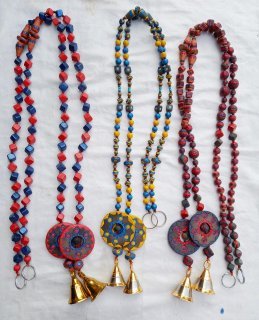
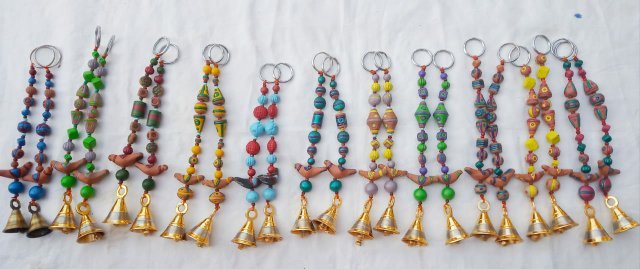
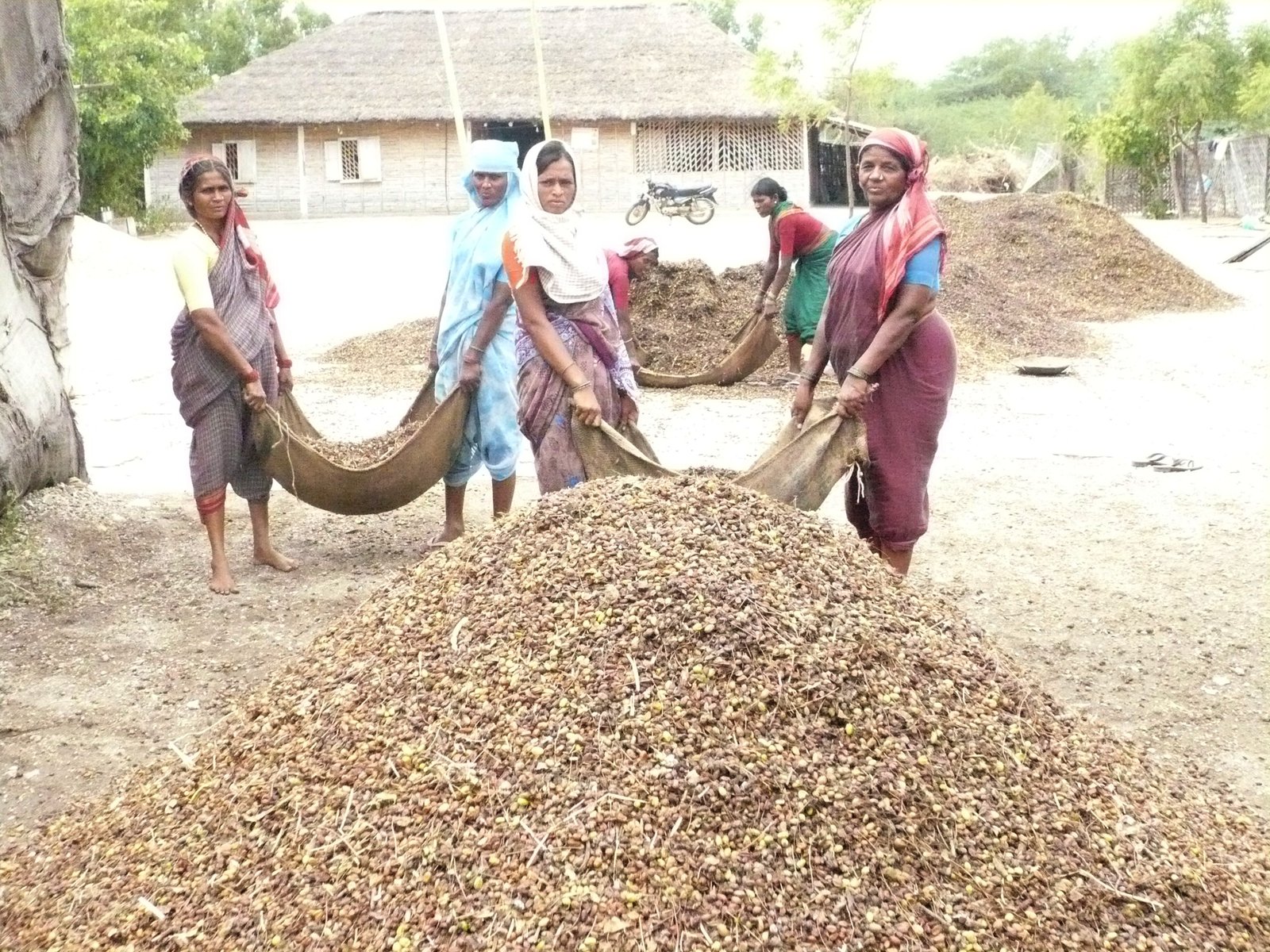
A visual and audio archive of Dalit women leadership, grassroots campaigns, Chiguru artisan fairs, and community celebrations in North Karnataka.
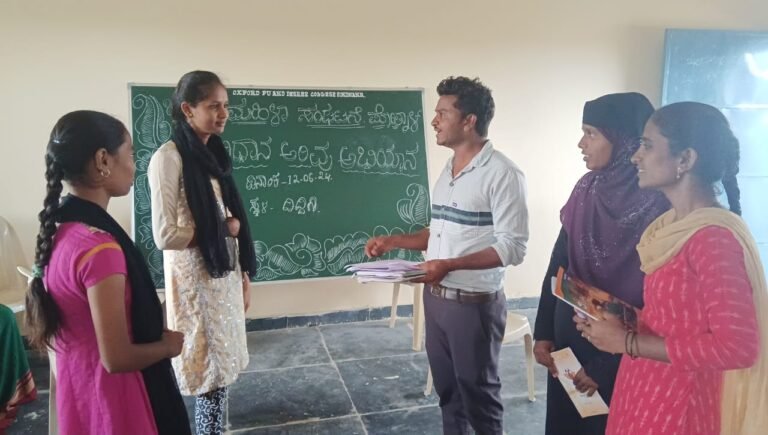
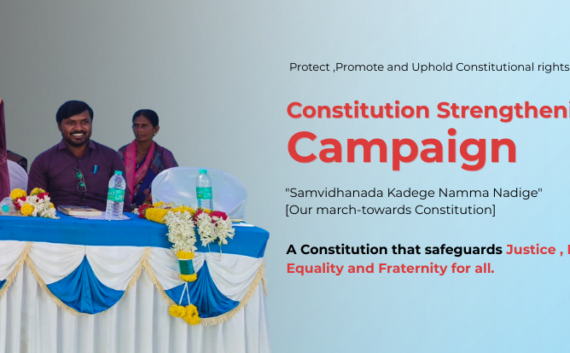
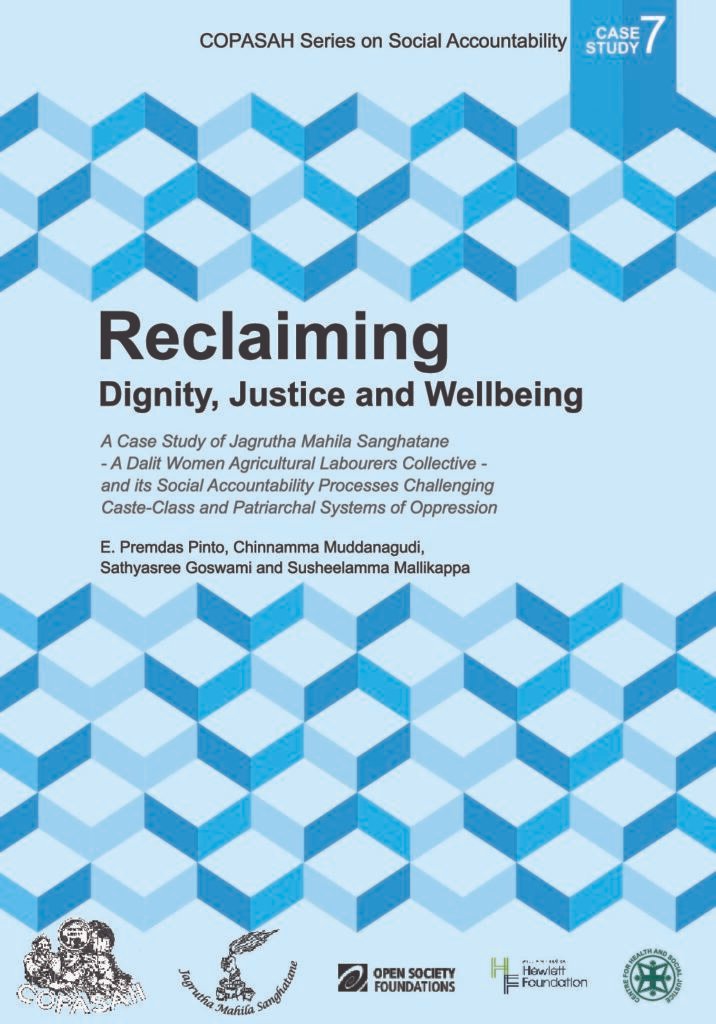
JMS photo stories from campaigns, community events and activities:
JMS Gallery
JMS Gallery
JMS Gallery
JMS Gallery
JMS Gallery
JMS Gallery
JMS Video Stories — documenting campaigns, community work and Dalit women's voices:
TouchingYoungLives
Youth in and around the villages of Pothnal in the district of Raichur (Karnataka) narrated the unforeseen challenges that they were facing in their villages during the pandemic. This included educational institutions being closed, being restricted to homes, being cut off from their friends, not having any facility to keep them engaged with academic matters, and so on. This was discussed in Jagrutha Mahila Sanghatane, and reaching out to youth was prioritised. This video captures various ways that JMS tried to keep up the morale of youth and to get them engaged in learning activities.
![Video thumbnail for Janadhikara Abhiyaana [Citizen Rights Campaign]](https://img.youtube.com/vi/W-F1JqZORHU/hqdefault.jpg)
Janadhikara Abhiyaana [Citizen Rights Campaign]
Citizen Rights Campaign of Jagrutha Mahila Sanghatane {JMS}, a Dalit women agricultural labourers' collective, captures the process of mobilising and engaging with the community as a whole in a village for their basic public services which they should enjoy as the basic rights of citizens. The process of holding discussions in the community, identifying common issues, deciding representation and then negotiating with the public authorities is captured in the story. Though JMS has been addressing these issues for over two decades, the campaign has been streamlined in the last five years. This has also resulted in visible results while holding the public authorities more accountable. The issues that this campaign has addressed so far include sanitation, drinking water, ICDS (anganwadi) centres, housing, women getting house-title documents in their name, and so on. This campaign is held annually by JMS.
![Video thumbnail for Social Security[JMS]](https://img.youtube.com/vi/bBn_V3nPYDQ/hqdefault.jpg)
Social Security[JMS]
In 2019, JMS initiated Janadhikara ( Citizen’s Rights) campaign in all villages of JMS constituency. When the campaign was organized in Pothnal Gram Panchayat covering 3 villages, the senior citizens in the village shared that their pension was stopped suddenly for more than 8 months and they are facing difficulties to manage their basic needs and livelihood. JMS intervened to enable them in accessing their pension. This video captures the relentless work behind the scenes towards getting senior citizens their entitlements. Due to the intervention of JMS, senior citizens in 3 villages of Pothnal Gram Panchayat got access to their new order copy and started receiving a monthly pension. This helped the livelihood of more than 100 senior citizens
![Video thumbnail for In COVID times[JMS]](https://img.youtube.com/vi/dQFyHm8fK1U/hqdefault.jpg)
In COVID times[JMS]
COVID-19 and the lockdown brought unanticipated challenges to a vast number of agricultural labourers and women who are members of JMS. The lockdown created anxiety and stress as migrant members were stuck in cities. Many migrants footed their way back home and some took whatever means of transport by night, facing the heavy batons of police. In the villages, the restriction on movement cut farmers off from their fields and cattle and goats were deprived of fodder. The meagre storage of grains was a constant source of anxiety. As local transport was completely shut down many could not access health care in time. Livelihood, health and food emerged as the key challenges. Even when the lock-down was eased, the households had more members to be fed with migrants returning; children were at home wandering everywhere as schools were closed, it was a challenge to start work on MNREGA as work had to be done as a collective but there was no other alternative to livelihood. These dilemmas continued through the period of the pandemic. JMS decided to keep engaged with the community issues through this period, to instil confidence, awareness and timely response to the problems. This video captures the key moments of JMS' continued engagement with the community through various phases of the pandemic
![Video thumbnail for Right to Health Campaign[JMS]](https://img.youtube.com/vi/dxVeHQhe6gE/hqdefault.jpg)
Right to Health Campaign[JMS]
Right to Health and Maternal Health Services is the continued campaign of JMS, extended over 20 years. It stems from the larger vision of JMS for citizens’ fundamental right to live with dignity and well-being. The campaign for the right to health began as part of Dalit women’s claiming spaces and public services in the context of the historical segregation, exclusion and discrimination that they faced from public spaces and public institutions including healthcare centres. The Right to Health Campaign, in various phases of JMS' history, has addressed a range of issues towards ensuring dignified access to health care for Dalit Women. This video captures the current campaign that is going on for maternal health rights which includes community-level mobilisation, engaging with the social accountability processes, and engaging with the primary healthcare system for rejuvenating primary healthcare services and enhancing the community's access to maternal healthcare.
The Sound of Anger
Sittina Dani (The Sound of Anger) traces the journey of activists, their agency and how they negotiate structural disparities and script their struggle for justice in an infant democratic nation –state, steeped in patriarchal, caste-based models of functioning. The film follows activists as they fight through red-tape, corruption and sheer apathy. In the process, it unravels the narrative around people’s understanding of the right to work and locates the friction between the State and people along the fault lines of structural inequalities of gender, caste and class. While examining how individual activists contribute and shape a struggle, the film also explores the potential, dynamics and effort involved for the poor to collectivize. The film captures images of people’s assertion that sets them on a collision course against the local vested interests. Particularly, the film centre—stages articulation of ‘horata’ (struggle) by those who have been historically silenced- non-literate, poor, dalit women- as they assert against an unresponsive State as also against the unjust social order.
![Video thumbnail for Hejjegalu[The Footsteps]](https://img.youtube.com/vi/zDeoA7GJDhQ/hqdefault.jpg)
Hejjegalu[The Footsteps]
Hejjegalu traces the footsteps of a social experiment aimed at catalysing the birth of a grassroots Dalit women’s voice to resist, the hegemonies of caste, class and gender. The Dalit madiga women agricultural laborers used the twin principles of sangharsh and navnirman to harness their collective strength to question caste and gender-based oppression and violence while also ushering in a new dawn of dignity and justice. This Video essay is a tribute to the indomitable spirit, resolve and ingenuity of Dalit madiga women as they continue to confront gender, caste and class oppression and provide a shining illustration of meaningful human development work.
![Video thumbnail for Durgamma [Testimony]](https://img.youtube.com/vi/v0hLtGUi25s/hqdefault.jpg)
Durgamma [Testimony]
This testimony reflects on several issues –the circumstances that lead poor women to undergo hysterectomy, why poor dalit women are feeling alienated from the government health system, and more importantly about elite, upper caste/ class capture of the medical profession that is practicing untouchability in its crudest form- refusing to touch patients to physically examine them so much so that even injections are given through the clothes! This woman’s collective in Raichur subsequently led several protests and public dialogues on functioning of PHCs and taluk hospitals. They were successful in having a woman medical officer posted to the health centre in their village and a gynecologist posted to the taluk hospital. They also became members of the Arogya Raksha Samiti in their PHC to provide continuous oversight on its functioning. The collective’s actions were successful in not only improving local government health services but also in reclaiming and asserting their dignity as dalit women.
![Video thumbnail for Right to Health care [Public Dialogue]](https://img.youtube.com/vi/iEu72j5QSEA/hqdefault.jpg)
Right to Health care [Public Dialogue]
The interface between the community of women and the service providers along with the elected people’s representatives in local government was held in Thoranadinni Primary Health Centre (PHC), about 90 kms from the district headquarters of Raichur district, Karnataka State (India). The PHC is located in a village which is very remote without regular public transport and hence the PHC plays a very vital role in the life of the community, especially for women and children for their health and wellbeing. This is part of the series of such public hearings that were organized on the access to health services in Karnataka during 2008-2010. The issues of women in particular on availability of reproductive and maternal health services during, before and after the delivery, availability of medicines, rude behavior of the health staff with women from Dalit communities, non-availability of life saving vaccines such as for snake-bites were raised. The Taluka Health Officer (THO) listened to the grievances and responded to the community on behalf of the government health service providers. [E. Premdas Pinto is seen facilitating the discussion and is summarizing the promised actions by the health authorities for the grievances and complaints by community members on the issues of availability and accessibility to primary health care in people’s language
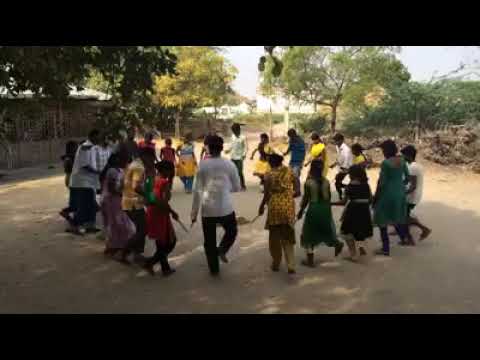
JMS Chilipili School
Community Education for Liberation: Raichur district topped India in mid-90’s, in the number of child labourers! Caste oppression, feudal stranglehold and extreme poverty forced dalit children to dropout of dysfunctional primary schools and pushed them into bonded labour or ‘jeeta padhati’ . Along with JMS’ efforts to make schools accessible to Dalit children, Chilipili Child Labourers’ Special School began in the year 2000 in Markamdinni village (about 12 kms from Pothnal) with the dream of confronting the systemic violence against young children and to restore their dignity. Initially, during 2000 – 2008, it was a day school which was run in the community centre (Ambedkar Bhavan) located within the dalit community. From 2008-2015, it functioned as a residential school at the JMS centre (Pothnal). Chilipili shale went beyond literacy and the educational curriculum to be a school of life and learning where dalit children learnt to live together, respecting each others’ spaces and boundaries. Most of them were over 9 years old and totally unfamiliar with the written word or numerals. However, with two years of intensive facilitation most of them enrolled in the 5th or 6th standard while some exceptionally talented children enrolled in 7th and even 8th standard in mainstream school. Most of them cruised ahead of the other privileged children in their schools to become leaders. Renuka, one such girl from Tadakal village, even brought laurels to the district by scoring 78% in 10th Standard.
![Video thumbnail for ALOEVERA TONIC [JMS]](https://img.youtube.com/vi/e2sOvtDre0I/hqdefault.jpg)
ALOEVERA TONIC [JMS]
In India 80% women are anemic and this is one of the main reasons for maternal mortality also. Similarly, those who are anemic have less resistance and immunity in the body and they become vulnerable to TB and other infections. The COVID19 virus (CORONA) too has adverse impact on those who have less immunity in their body. They include the elderly people, people already with some illnesses such as diabetes, blood pressure, asthma, TB etc. Those who smoke and addicted to alcohol too are vulnerable. One of the ways of preparing our bodies is to increase its immunity. JMS health karyakarthas have been treating people with home remedies and herbal medicines for the last 20 years. Some of their tonics have helped women cure while discharge, increase haemoglobin levels, helped the TB patients gain strength etc. As part of our community response we are producing these videos/audios/posters for ordinary people to prepare these home and herbal medicines in your homes. Grow these medicinal plants in your homes and take care of them. They will take care of you.
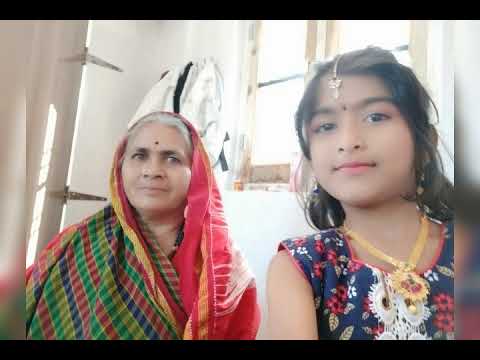
JMS Achievements
JMS President Chinnamma's achievements being a grass-roots activist, Traditional Herbal Healer , Health worker & Community Mobiliser.
![Video thumbnail for Nugge Lehyam [JMS]](https://img.youtube.com/vi/hNuUbzr1hac/hqdefault.jpg)
Nugge Lehyam [JMS]
Nugge Lehyam uses: 1. Improve hemoglobin levels and anemia 2. For children 3. For Pregnant women And many more
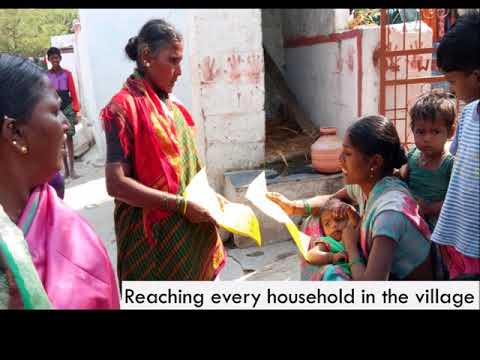
Dalit Women's Struggle for Maternal Health Rights in Raichur -JMS MOVIE
Dalit women in India bear the tripple burden of caste, class and patriarchy. They become the first and most vulnerable victims of caste-class-patriarchy/gender based exclusion, discrimination and violence. To address this tipple exlusion, Jagrutha Mahila Sanghatane (JMS) was formed as a rural Dalit women agricultural labourers' union, for resisting discrimination and exclusion, and for asserting their collective power for social change. JMS has relentlessly campaigned, among other rights, for Dalit women's health rights in general and reproductive-maternal health rights in particular. This short film encapsulates the story of JMS Campaign for Maternal Health Rights where the women of JMS in Raichur district of Karnataka are the key empowered protagonists of their claim for maternal health rights and for strengthening the primary health care system.
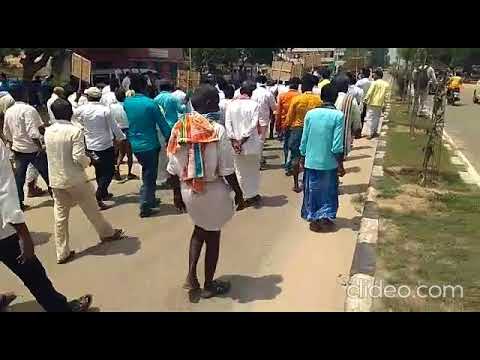
JMS March On Condemning Violence Against Women _Manvi_2020
JMS Karyakartha, in solidarity with other progressive organisations, did a March on condemning the sexual harrasement at the workplace. Tahasildar, of Manvi Taluk Raichur District, sexually harassed Deputy Tahasildar inside Taluk office Manvi. The victim being Dalit women gave a written complaint in the Manvi police station, 12days ago, but till now Police didn't lodge any complaint against perpetrator. The accused is still carrying on his duty and the victim is on leave. The victim is being threatened by local dominant people and putting pressure on her to take the complaint back. JMS and other progressive organizations submitted memorandums to the DC and AC of Raichur District demanding his immediate termination from the Tahasildar Post and the Police should lodge FIR against him by considering respective IPC sections.
Audio stories from JMS communities — hear the voices of Dalit women:
audio
Explore More of Our Work
Discover our campaigns or get in touch with JMS.